
Understanding Newborn Skin
Newborn skin is a remarkable yet delicate aspect of a baby’s physiology, distinguished by its exceptional softness and heightened sensitivity compared to adult skin. This unique dermal structure is significantly thinner than that of adults, making it more prone to various external irritants and conditions. The surface layer of a newborn’s skin, known as the stratum corneum, is not fully developed at birth, resulting in less effective natural barriers against environmental aggressors. Consequently, newborns often experience diverse skin issues, necessitating careful attention and appropriate skin care practices.
One of the defining characteristics of newborn skin is its high water content, which contributes to its softness but can also lead to an increased susceptibility to dehydration. Unlike adult skin, which has established oil glands that secrete sebum, newborn skin may lack adequate oil production, making it more vulnerable to dryness and irritation. These intrinsic differences can result in common skin conditions, such as rashes and peeling, reinforcing the significance of tailored skin care routines to protect and nurture delicate skin.
Common skin issues faced by newborns include infantile acne, cradle cap, and diaper rash. Infantile acne typically appears in the first few weeks after birth and is often related to maternal hormones rather than hygiene practices. Cradle cap, or seborrheic dermatitis, manifests as scaly patches on the scalp and requires gentle care rather than aggressive treatment. Diaper rash, resulting from prolonged exposure to moisture, friction, and irritants, warrants prompt intervention to prevent further discomfort. Understanding these common skin problems emphasizes the critical need for adopting suitable skincare practices, ensuring that the unique requirements of newborn skin are met effectively.
Common Newborn Rashes and Their Causes
Newborns are prone to a variety of skin conditions, some of which may manifest as rashes. Understanding these common rashes, their causes, and symptoms can help parents manage their baby’s skin care effectively. One of the most prevalent newborn rashes is diaper rash, which typically appears as red, inflamed skin in the diaper area. This irritation is often caused by prolonged exposure to moisture from urine or feces, friction from the diaper, or even the introduction of new foods that change stool acidity.
Another common condition is baby acne, which can develop during the first few weeks of life. This mild skin rash generally appears as small red or white bumps, primarily on the cheeks, nose, and forehead. Baby acne is believed to be triggered by maternal hormones transferred to the baby during pregnancy, and while it may be concerning to observe, it usually resolves on its own without treatment.
Heat rash, or prickly heat, is another frequent occurrence in newborns, especially in hot or humid environments. Identifiable by small red bumps or blisters on areas of the skin covered by clothing, heat rash occurs when sweat glands become blocked. This condition is usually self-limited, improving with cooler temperatures and appropriate clothing adjustments.
While many rashes in newborns are benign and indicative of normal development, parents should remain vigilant. In some cases, rashes can signify underlying issues, such as allergic reactions or infections. If a rash presents with persistent symptoms, such as swelling, fever, or lethargy, or if it worsens despite basic care, a consultation with a pediatrician is advisable. Early recognition and understanding of these common newborn rashes can significantly aid in effective skin care management for infants.
Dealing with Peeling Skin in Newborns
Peeling skin is a common occurrence in newborns, particularly in the initial weeks after birth. This condition primarily arises due to the transition from a protected environment in the womb to the outside world, which can markedly alter the moisture levels and exposure of the baby’s skin. Initially, the peeling may be most prominent on areas such as the hands, feet, and around the forehead. It is crucial for parents to understand that this peeling is often a natural process, reflecting the skin’s adaptation to the external environment.
The phenomenon, referred to as “desquamation,” is typically most pronounced during the first two weeks. The skin may shed its outer layer, revealing a fresher layer beneath. Most cases are benign and do not require medical intervention. However, there are situations where peeling skin might indicate underlying issues, such as a skin condition or infection. Parents should seek medical advice if they notice any signs of redness, swelling, or signs of infection accompanying the peeling, which could necessitate further examination by a healthcare professional.
To effectively manage peeling skin, gentle skin care routines are crucial. It is advisable to avoid harsh soaps or products that may further irritate the skin. Instead, using a mild, fragrance-free cleanser while bathing the baby can help. After a bath, gently pat the skin dry rather than rubbing it, as this can exacerbate irritation. Applying a light moisturizer specifically formulated for infants can provide additional hydration, mitigating discomfort associated with peeling. Parents are encouraged to regularly monitor their baby’s skin and consult with a pediatrician if any concerns arise, ensuring the wellbeing of their newborn during this transitional period.
Best Practices for Newborn Skin Care
Newborn skin is remarkably delicate and requires special attention to ensure its health and well-being. Establishing a proper skin care routine is crucial for preventing issues such as rashes and peeling while promoting overall skin health. One of the essential practices is to bathe your newborn with care. It is advisable to use lukewarm water and limit bath time to approximately 5 to 10 minutes to avoid drying the skin. Gentle, fragrance-free cleansers specifically designed for infants should be employed, as they help maintain the skin’s natural moisture barrier.
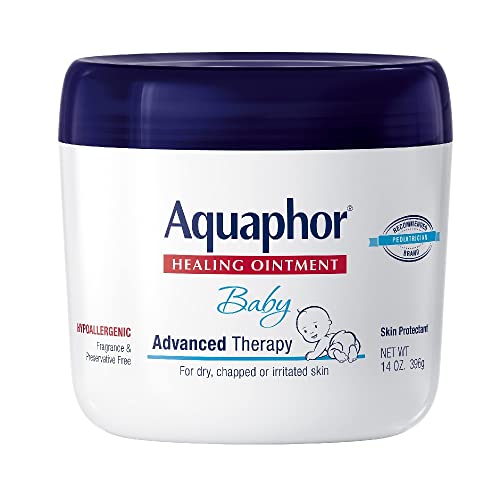
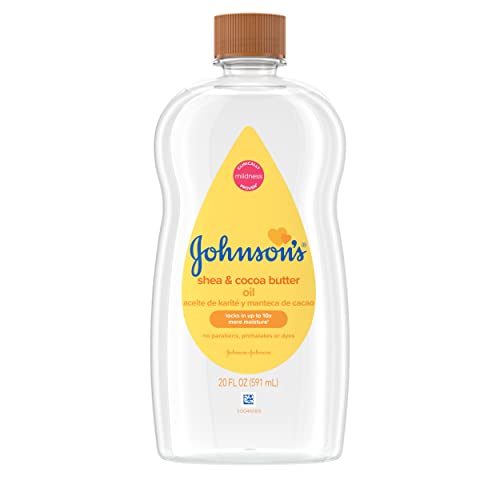
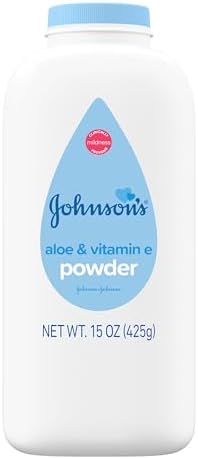
Moisturizing is another key aspect of newborn skin care. After bathing, it is important to apply a hypoallergenic moisturizer that retains moisture and soothes the skin. Ingredients like aloe vera or shea butter are usually gentle and effective in providing hydration without causing irritation. Parents should also consider performing this moisturizing after diaper changes to counteract the drying effects of diapers and wipes.
When selecting products for newborns, opting for those labeled as hypoallergenic can help minimize the risk of allergic reactions. Products should be free from alcohol, fragrances, and other harsh chemicals that may exacerbate skin sensitivity. Furthermore, always perform a patch test before introducing any new product to ensure that it does not provoke any adverse reactions.
Environmental factors also play a significant role in managing newborn skin. It is beneficial to keep your home’s humidity at a comfortable level, using a humidifier during dry months or in air-conditioned spaces to maintain moisture in the air. Additionally, be mindful of the fabrics that come in contact with your baby’s skin, favoring soft, breathable materials like cotton to reduce friction and irritation.
By adhering to these best practices, parents can establish a nurturing skin care routine that effectively supports their newborn’s sensitive skin, minimizing the occurrence of rashes and promoting healthy skin development.


Leave a Reply